









Planning balanced meals doesn’t have to be overwhelming. With a few straightforward strategies, you can enjoy nutritious, satisfying meals every day without the stress of last-minute decisions or complicated recipes. Whether you’re cooking for yourself, your family, or a group, these tips will help you create balanced meals that are easy, tasty, and good for you.
What is a Balanced Meal?
A balanced meal includes a variety of foods from different food groups, ensuring you get a mix of essential nutrients like protein, carbohydrates, healthy fats, vitamins, and minerals. The goal is to fuel your body with the right nutrients to maintain energy, support overall health, and keep you satisfied.
Key Components of a Balanced Meal
– Protein: Helps build and repair tissues. Examples include lean meats, fish, eggs, beans, tofu, and dairy.
– Carbohydrates: Provide energy. Opt for whole grains, fruits, and vegetables instead of refined carbs.
– Healthy fats: Support brain function and cell health. Sources include avocados, nuts, seeds, olive oil, and fatty fish.
– Vegetables and Fruits: Rich in vitamins, minerals, and fiber. Aim for a variety of colors and types.
– Fiber: Supports digestion and can help you feel full longer. Found in whole grains, fruits, vegetables, nuts, and seeds.
Steps to Plan Balanced Meals Without Stress
1. Start with a Weekly Plan
Planning ahead saves time and reduces stress. Set aside 15–30 minutes each week to plan your meals. Write down what you’ll eat for breakfast, lunch, dinner, and snacks. This helps you balance your meals throughout the week and avoid repetitive dishes.
2. Build a Flexible Grocery List
After planning your meals, make a grocery list based on your menu. Focus on purchasing ingredients that can be used in multiple dishes to minimize waste and cost. For example, spinach can be added to salads, omelets, and smoothies.
3. Use the “Plate Method”
Visualize your plate divided into sections:
– Half your plate filled with vegetables and fruits.
– One-quarter with lean protein.
– One-quarter with whole grains or starchy vegetables.
This simple method ensures a balanced meal every time without complicated measuring.
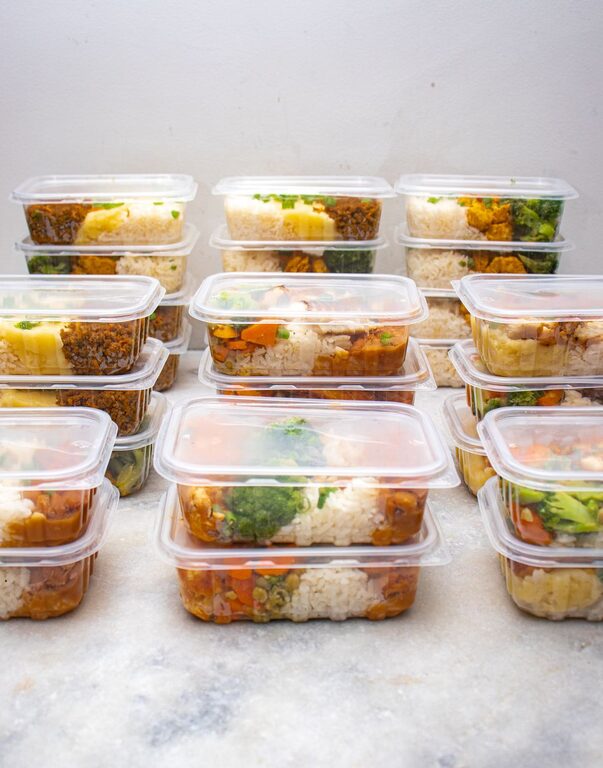
4. Batch Cook or Prep Ingredients
Cooking larger portions or prepping ingredients in advance can save time during busy days:
– Roast a tray of mixed vegetables to use throughout the week.
– Cook a batch of grains like quinoa or brown rice.
– Wash and chop salad greens ahead of time.
5. Keep Easy, Healthy Staples on Hand
Having pantry staples makes quick meal assembly easier:
– Canned beans and lentils.
– Frozen vegetables and fruits.
– Whole grain pasta or rice.
– Nuts and seeds.
– Olive oil, herbs, and spices.
6. Mix and Match Meals
Versatility helps reduce mealtime stress. Prepare a few staple components and combine them differently:
– Grilled chicken + roasted veggies + quinoa one night.
– Chicken salad wrap with spinach and hummus the next day.
– Stir-fry with tofu, frozen veggies, and brown rice later in the week.
7. Listen to Your Hunger and Preferences
Meal planning should fit your lifestyle, including your dietary needs and taste preferences. Don’t force yourself to eat foods you dislike. Instead, find healthy alternatives you enjoy.
Sample Balanced Meal Ideas
Here are a few easy, balanced meal ideas to get you started:
Breakfast
– Greek yogurt with mixed berries, a drizzle of honey, and a sprinkle of nuts.
– Whole-grain toast topped with avocado and a poached egg.
– Oatmeal topped with banana slices and chia seeds.
Lunch
– Mixed greens salad with grilled chicken, cherry tomatoes, cucumbers, and a vinaigrette.
– Quinoa bowl with black beans, corn, roasted sweet potato, and salsa.
– Whole grain wrap with hummus, spinach, shredded carrots, and turkey slices.
Dinner
– Baked salmon with steamed broccoli and brown rice.
– Stir-fry with tofu, bell peppers, snap peas, and whole wheat noodles.
– Lentil soup with a side of mixed green salad and whole-grain bread.
Snacks
– Apple slices with peanut butter.
– Hummus with carrot and cucumber sticks.
– A handful of almonds and dried fruit.
Additional Tips for Stress-Free Meal Planning
– Keep it simple: You don’t need complicated recipes. Focus on whole foods and straightforward cooking methods.
– Be realistic: Plan meals you can manage based on your time and cooking skills.
– Be flexible: It’s okay to swap meals or repeat favorites during the week.
– Use leftovers: Turn last night’s dinner into lunch or a new dish.
– Stay hydrated: Drinking enough water supports digestion and overall health.
Final Thoughts
Planning balanced meals without stress is achievable with a little organization and flexibility. By prioritizing nutrient-rich foods, preparing in advance, and using simple methods like the plate method, you can enjoy tasty, healthy meals every day. Start small, experiment with what works best for you, and make meal planning a positive part of your routine.