










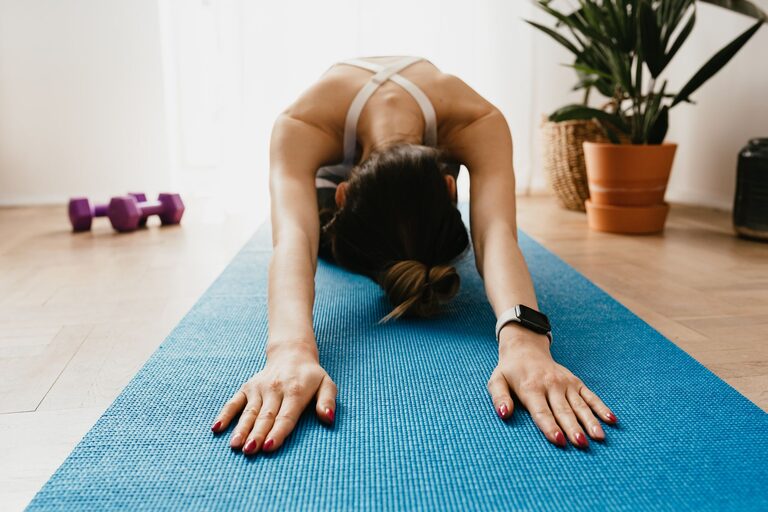
Stretching is an essential part of maintaining a healthy and active lifestyle. Whether you’re new to exercise or looking to add a gentle routine to your day, stretching at home can help improve your flexibility, reduce muscle tension, and increase circulation. This beginner’s guide will walk you through the basics of stretching, offer easy steps to get started, and suggest a simple routine you can do anytime.
Why Stretch at Home?
Stretching doesn’t require special equipment or a gym membership. Doing it at home offers several benefits:
– Convenience: Stretch whenever you have a few minutes, without needing to travel.
– Cost-effective: No need for expensive classes or gear.
– Personalized pace: Stretch gently and adjust based on your comfort and ability.
– Stress relief: Helps relax both your body and mind.
Understanding the Basics of Stretching
Before diving into routines, it’s important to understand a few key points:
Types of Stretching
– Static Stretching: Holding a stretch for 15-60 seconds to lengthen muscles.
– Dynamic Stretching: Controlled movements through a range of motion, useful before exercise.
– Ballistic Stretching: Bouncing stretches, not recommended for beginners due to injury risk.
– PNF Stretching: Involves contracting and relaxing muscles with partner assistance—typically for advanced practitioners.
For beginners, static and gentle dynamic stretching are the safest and most effective options.
When to Stretch
– After warming up your body with light activity (e.g., walking or marching in place).
– At the end of a workout or physical activity session.
– Anytime during the day to relieve muscle tightness or improve mobility.
Stretching Tips
– Warm up first: Stretching cold muscles can cause injury.
– Breathe deeply: Helps relax muscles and enhances stretch effectiveness.
– Avoid pain: Mild discomfort is normal, but no sharp pain.
– Stay consistent: Regular stretching yields the best results over time.
Easy Stretching Routine for Beginners
Here’s a simple routine targeting major muscle groups, requiring about 10-15 minutes:
1. Neck Stretch
– Sit or stand tall.
– Gently tilt your head to one side, bringing your ear toward your shoulder.
– Hold for 20 seconds, then switch sides.
– Repeat 2 times per side.
2. Shoulder Stretch
– Reach one arm across your chest.
– Use the opposite hand to gently press your arm closer to your body.
– Hold for 20 seconds, then switch arms.
– Repeat 2 times per arm.
3. Chest Stretch
– Stand in a doorway and place your hands on the doorframe at shoulder height.
– Step forward slowly until you feel a stretch across your chest.
– Hold for 20-30 seconds.
– Repeat 2 times.
4. Cat-Cow Stretch (for back flexibility)
– Get on your hands and knees on the floor.
– Arch your back up (cat position), then slowly dip it down while lifting your head and tailbone (cow position).
– Repeat 10 times slowly.
5. Seated Hamstring Stretch
– Sit on the floor with one leg extended straight.
– Reach toward your toes while keeping your back straight.
– Hold for 20 seconds, then switch legs.
– Repeat 2 times per leg.
6. Quadriceps Stretch
– Stand near a wall or chair for balance.
– Bend one knee and grab your ankle behind you.
– Pull your heel gently toward your buttocks.
– Hold for 20 seconds, then switch legs.
– Repeat 2 times per leg.
7. Calf Stretch
– Stand facing a wall.
– Place one foot behind the other, keeping the back leg straight and heel on the floor.
– Lean into the wall until you feel a stretch in your calf muscle.
– Hold for 20 seconds, then switch legs.
– Repeat 2 times per leg.
Additional Tips for Success
– Set a routine: Schedule stretching into your daily or weekly plan.
– Use props if needed: Towels or yoga straps can assist in deeper stretches.
– Stay hydrated: Drinking water helps muscles recover and stay flexible.
– Listen to your body: Progress at your own pace and avoid pushing too hard.
When to Seek Guidance
If you have existing health conditions or injury concerns, consider consulting a healthcare provider or physical therapist before starting a new stretching routine. They can provide personalized advice tailored to your needs.
Conclusion
Stretching at home is an accessible and effective way to enhance your flexibility, reduce muscle tension, and support overall health. With just a few simple exercises and consistent practice, you can create a stretching habit that fits your lifestyle and makes you feel more comfortable and mobile every day. Start slow, keep it gentle, and enjoy the benefits stretching has to offer!